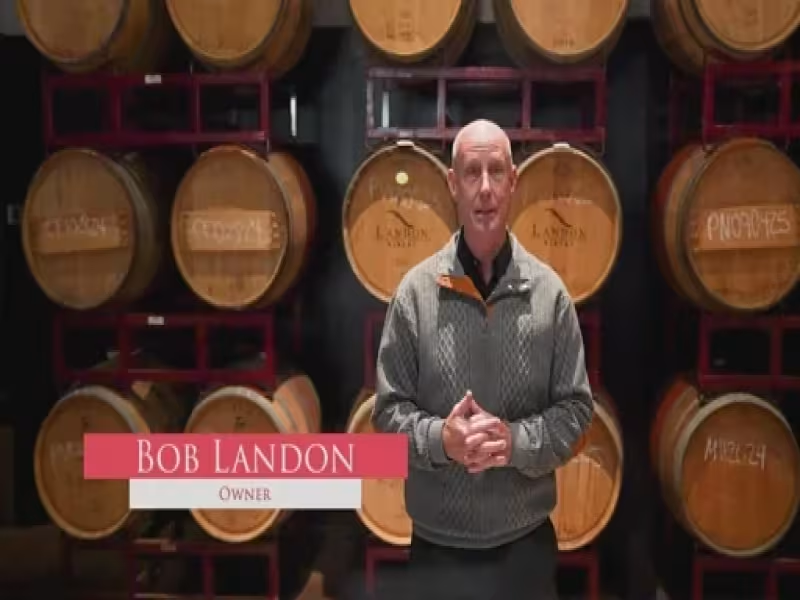
McKinney, Texas – September 16, 2026 -- A new HelloNation feature breaks down how barrel aging shapes the flavor, aroma, and longevity of red and white wines, drawing on insights from Bob Landon, winery expert at Landon Winery in McKinney, Texas.
Oak interacts with wine in ways stainless steel cannot
Barrel aging introduces flavors, tannins, and micro-oxygenation that guide how a wine develops over time. According to the article, choices about oak type and barrel age become part of a winemaker's signature, affecting everything from aroma to long-term stability.
French and American oak deliver different results
French oak has a fine grain that adds subtle spice and delicate tannins without overpowering the fruit, making it suited to preserving a wine's natural character. American oak, with its looser grain, delivers stronger flavor notes of vanilla, coconut, and baking spice, pairing well with bolder wines.
New and used barrels serve different purposes
New barrels have the most direct impact, infusing aromatic compounds and strengthening structure through added tannins. Used barrels contribute less flavor but still allow gentle oxygen exchange, softening sharp edges over time. Winemakers often blend new and used barrels to balance richness with restraint.
Barrel time changes mouthfeel and color
As tannins integrate, wine becomes smoother and more cohesive. Reds often gain darker fruit tone and deeper color, while whites can develop a rounder body while retaining brightness -- oak-aged Chardonnay, for example, can show toasted nuts and soft spice when balanced by natural acidity. Landon notes that the grape should still lead the profile, with the barrel acting as a frame rather than a filter.
Climate affects how much oak a wine can handle
Warmer regions produce riper fruit and higher alcohol, and too much oak can make those wines feel heavy. Cooler climates with sharper acidity can handle longer or deeper oak treatment without losing balance. The article notes that Texas winemakers, including those in McKinney, adjust barrel aging lengths to match local growing conditions.
Integrated tannins support long-term aging
Wines that gain structure from oak typically age better in the bottle because integrated tannins slow oxidation. Not every varietal needs extended barrel time, however -- some show best with minimal aging, while others benefit from months or years of development, depending on the grape's natural character.