BOSTON – October 30, 2026 -- When the clocks fall back on the night of Sunday, November 1, Americans will sleep only about 11 minutes longer than on a typical Saturday, according to new Withings data, and by the following weekend they sleep less than usual.
Withings data shows the bonus hour mostly disappears
Withings analyzed 237,480 nights of sleep data from US users aged 18 and over, covering the autumn clock changes of 2023, 2024 and 2025. On the night itself, sleep was also more broken than usual, with slightly more frequent wake-ups.
In the week afterward, people woke around 16 minutes earlier and went to bed around 15 minutes earlier by the clock. By the next Saturday they slept about four minutes less than usual, with a slightly lower sleep score. Sleep quality returned to its pre-change level over the following two weeks.
In Europe, where clocks change a week earlier, people gain between 10 and 15 minutes.
Darker evenings arrive at the same time
On Sunday the sun will set in New York at around 4:50 p.m., and by the winter solstice at around 4:30 p.m. Cardiologist and sleep specialist Dr. Pierre Escourrou says the body's internal clock is set by light and habit, so it does not shift overnight along with the clocks. His advice for the darker months:
- Keep regular hours. Go to bed and, above all, wake up at roughly the same time every day.
- Seek out daylight. Get outside, preferably in the morning.
- Look at the trend, not a single night. Tracking sleep over time shows how routines relate to sleep.
Escourrou notes that one bad night "doesn't mean very much," but poor sleep lasting weeks is a reason to talk to a doctor.
Withings Sleep Care Service connects users with specialists in all 50 states
For people whose fatigue lingers, Withings has launched a Sleep Care Service in its app. Through clinical partners Dreem Health and Dune Health, users can reach licensed sleep specialists, at-home testing and personalized treatment in weeks rather than months. The service is covered by most insurance plans.
To start, users open the Share tab in the Withings app, complete a three-minute assessment and book an appointment. A licensed provider then reviews health history and symptoms. If prescribed, a home sleep test follows. Where clinically appropriate, for example after a sleep apnea diagnosis, treatment can range from CPAP and oral therapy devices to insomnia treatment.
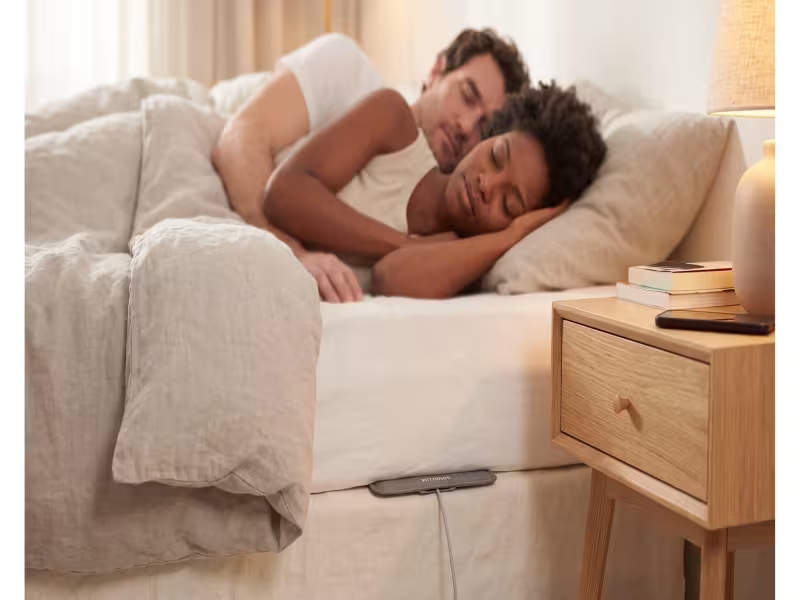
The Withings Sleep Mat, placed under the mattress, and the wrist-worn ScanWatch 2 record sleep night after night. With Withings+, those nights become trends and personalized insights.
The study measures association, not cause
Withings subtracted a change of about 2.8 extra minutes seen in places whose clocks never change (Arizona, Hawaii and Iceland) to separate the clock change from seasonal effects. The data is observational and describes Withings users, not the whole population.