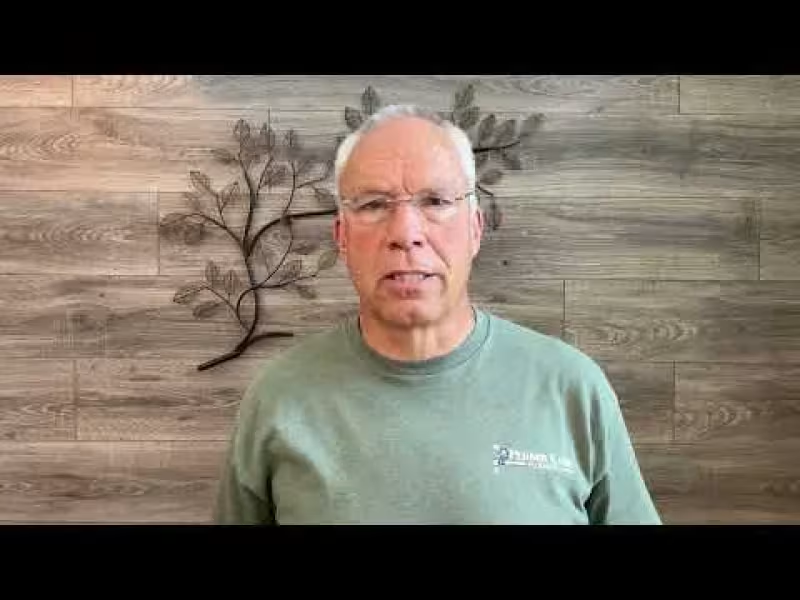
Timberlake, Va. – November 03, 2026 -- When a pipe bursts or a fixture overflows, the first move is to shut off the main water supply, according to Plumbing Expert Ken Settje of Plumb Care Plumbing Inc. in Timberlake, Virginia, in a HelloNation article.
Plumbing emergencies such as a burst pipe, overflowing fixture, or sewer backup can cause significant water damage within minutes. Floors, walls, and belongings can be affected quickly if water keeps flowing.
Shutting off the main valve stops more water from entering the home
In most homes, the shutoff valve is near the water meter or where the main water line enters the house. Knowing its location and how to operate it lets homeowners respond immediately.
Towels, buckets, and moved furniture limit the spread
Once the water is off, the article advises catching leaks with towels, buckets, or containers so water does not spread across floors or into walls. For an overflowing toilet or sink, closing the valve connected to that fixture may also reduce flow. Moving furniture, electronics, and valuables away from wet areas lowers the risk of damage.
Dishwashers, washing machines, and showers should stay off
Running these appliances during an emergency can worsen flooding or cause backflow problems. They should remain off until the plumbing has been inspected and repaired. If the problem involves the hot water system, homeowners may also need to turn off the water heater.
Tape and pipe clamps may slow a leak, but they are not a repair
A burst pipe inside a wall or ceiling often needs immediate professional attention, while a malfunctioning valve or fixture may be easier to isolate. Temporary measures such as tape or pipe clamps might slow a leak, but the article stresses that professional emergency repairs are often necessary to restore the system safely.
Photos and videos of the damage can support insurance claims
The article recommends photographing or filming wet areas, damaged flooring, and affected belongings. This can help with insurance claims and assist plumbers in assessing the problem. Homeowners should also note when the issue occurred and what steps they took to contain it.
Standing water can lead to mold and structural damage
Water left standing can seep into drywall, insulation, and flooring materials. The article explains this can cause mold growth and structural deterioration if not addressed promptly. Quick action also keeps emergency repair costs more manageable.
After the situation is under control, a licensed plumber can evaluate the system, locate hidden leaks, and recommend repairs. These may include replacing damaged pipe sections, fixing fixtures, or addressing leak-related water damage. To prevent future emergencies, the article encourages regular inspections of pipes, fixtures, and appliances, and keeping shutoff valves accessible.