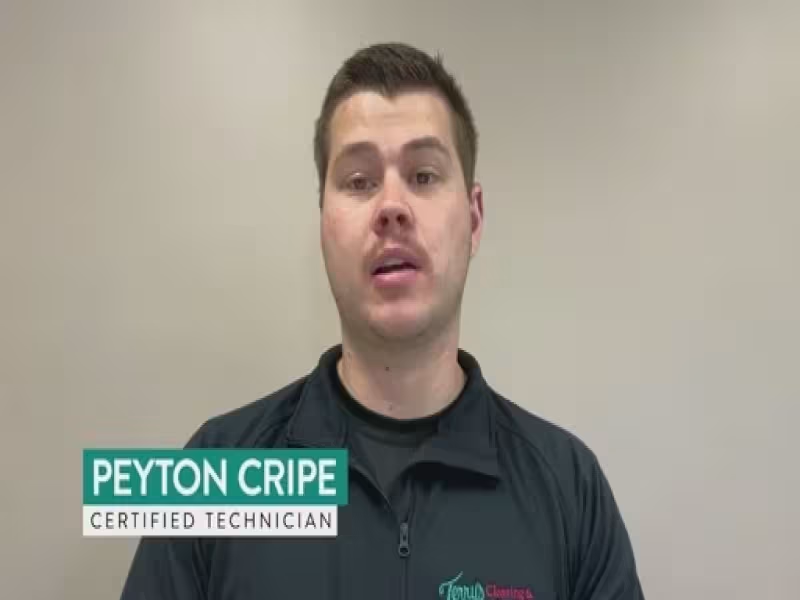
Goshen, Ind. – October 02, 2026 -- Peeling paint, musty odors, and warped flooring can all signal hidden water damage lurking behind walls or beneath floors long before homeowners notice obvious problems, according to a new HelloNation article featuring insights from Peyton Cripe of Terry's Cleaning & Restoration.
Surface damage often hides a bigger moisture problem
Bubbling paint finishes, cracked drywall, and persistent musty smells can indicate moisture trapped behind finished surfaces, the article explains. A professional water damage inspection can pinpoint the source before additional materials are affected.
Flooring changes are a visible clue
Hardwood that cups or buckles, laminate that swells along its seams, and tile that shifts or loosens frequently point to moisture beneath the surface. Catching these signs early can reduce the scope of larger water damage repair projects.
Water stains may linger even after surfaces dry
Yellow or brown stains, expanding discoloration, and faint water rings on walls and ceilings often reveal slow leaks. The article notes that moisture can remain behind a surface even after it appears dry, making a thorough inspection necessary to determine whether restoration work is needed.
Structural shifts can signal moisture damage
Soft drywall, swollen trim, sagging ceilings, sticking doors, and windows that are difficult to open may all result from moisture affecting structural components over time. These gradual changes are easy to overlook but often indicate the need for moisture detection before damage spreads.
A spike in water bills can point to a hidden leak
Unexpectedly higher water bills may signal concealed plumbing leaks, with water escaping behind walls or beneath floors for long periods without being noticed. Identifying these leaks early through a professional inspection helps limit the need for extensive repair work.
Moisture buildup can also affect indoor air quality
Damp drywall, insulation, carpeting, and wood framing create conditions that may encourage mold growth if left unaddressed, according to the article. Regular checks around sinks, appliances, water heaters, and attic spaces can help homeowners catch these issues before they worsen.