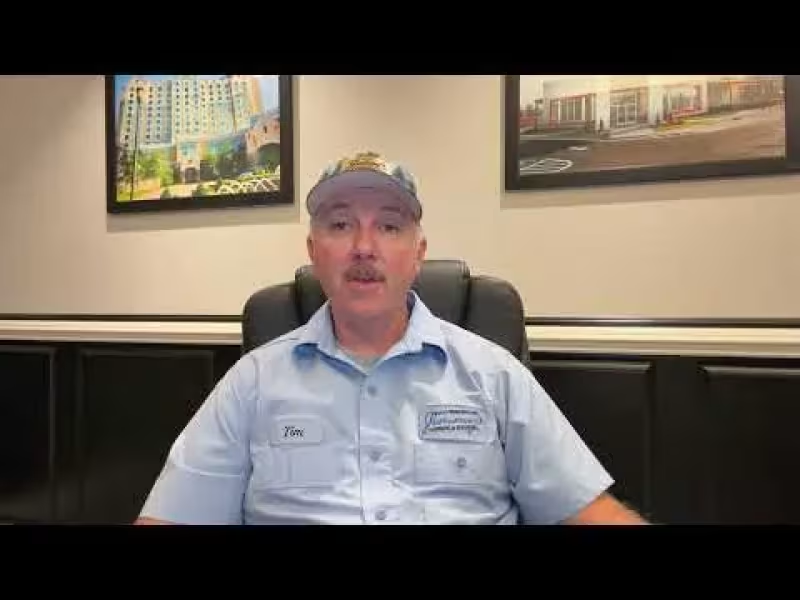
GREENSBORO, N.C. – November 06, 2026 -- If water pressure has dropped across your whole house, the cause could be anything from a half-closed main shut-off valve to corroded galvanized pipes, according to a HelloNation article featuring Plumbing Expert Tim Martin of Jimmy's Plumbing.
One weak tap usually means a local problem
A single weak faucet often points to a clogged aerator or a partly closed valve under that fixture. Older fixtures can also develop internal buildup that gradually reduces flow at just that tap.
Whole-house drops point to bigger causes
When pressure falls at every fixture, the article lists a partially closed main shut-off valve, a failing pressure-reducing valve and corroded galvanized pipes as common reasons. A sudden, sharp drop more often signals a break in the supply line than gradual buildup.
Asking neighbors can show whether the problem is limited to one home or shared with the block. Nearby utility repair work or a water main break can temporarily lower pressure, and that typically clears up once the outside work finishes.
Martin starts with a gauge on the outdoor hose bib
The article describes Martin attaching a pressure gauge to an outdoor hose bib and comparing the reading against the normal range for residential pressure. A plumber then typically isolates one section of the system at a time to narrow down where the restriction sits. Older homes with pipe materials from different decades can complicate that search.
Less obvious culprits can hide in the system
A remodeled bathroom may show different pressure than an older kitchen sink because of the pipe diameters used at the time. Water softeners and whole-home filtration systems can also cut pressure if their cartridges clog with sediment, so a system that has not been serviced in years deserves a check.
In homes where irrigation shares a supply line with the house, heavy outdoor watering in summer can temporarily reduce indoor pressure while the system runs. A previous repair using a smaller fitting can create a bottleneck that limits pressure at every fixture downstream. Finding that one spot often solves a problem that seemed to affect the entire house.
An inexpensive gauge sets your baseline
The article recommends that homeowners own a pressure gauge, which is inexpensive, and record their baseline pressure before a problem develops. Noting whether a drop is gradual or sudden also helps a plumber reach a diagnosis faster.