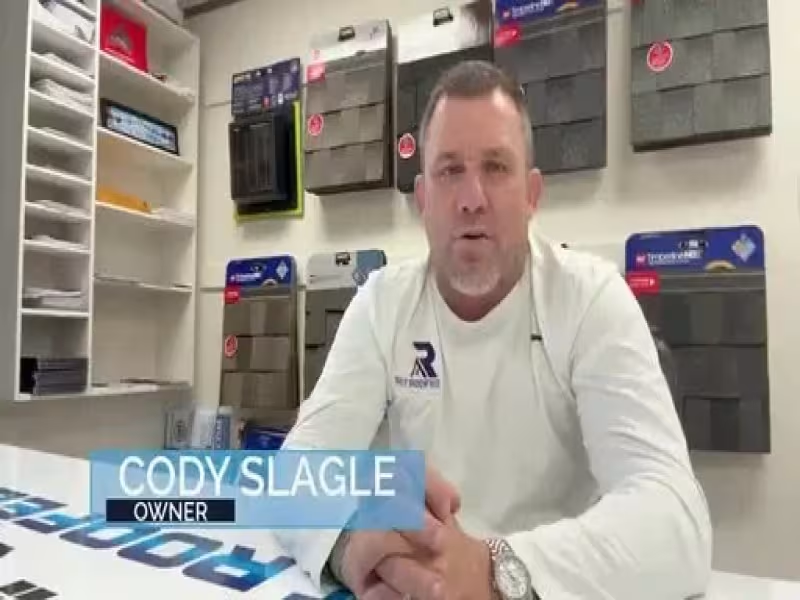
Denison, Texas – September 17, 2026 -- Homeowners near Lake Texoma are being urged to inspect shingles, gutters, flashing, and attic spaces after severe storms to catch damage before it worsens, according to a HelloNation article featuring roofing expert Cody Slagle of Denison, Texas.
Shingles show the first signs of storm damage
Slagle notes that shingles are often the first area to reveal problems after heavy wind or hail. Cracked or lifted shingles can indicate the storm pushed them out of place, and scattered hail may mark several roof slopes at once.
Gutters reveal hidden impact points
Dents in gutters can show where hail struck with enough force to affect roofing materials. Sagging or loose gutters may signal that water overflowed during the storm, sending it back toward the roof instead of away from it. Slagle says strong North Texas winds frequently blow debris into gutter channels, making this a recurring inspection point.
Flashing failures can hide the real source of a leak
Flashing around chimneys, vent stacks, and roof valleys can bend upward when wind slips beneath its edges, according to the article. This shift can let water enter the home before homeowners notice. Slagle explains that flashing problems often move water far from the actual entry point, making leaks appear unrelated to their true source.
Attic moisture offers an early warning sign
A quick attic check can reveal damp insulation that feels cool and clumpy or wet rafters with a faint musty smell. Slagle says attic moisture checks matter because small leaks often widen once North Texas heat follows a heavy storm.
A second inspection a day or two later catches what the first one misses
Shingles that were damp during an initial check may crack once dry, and changing light can reveal dents or gaps missed earlier. Because Texoma storms often arrive in quick waves, the article recommends homeowners stay alert and repeat their inspection to confirm shingles, flashing, gutters, and attic conditions remain stable.
Neighborhood damage can hint at a homeowner's own risk
Tarps or roofing crews on nearby homes may indicate that section of the neighborhood took a harder hit, since storm paths around Lake Texoma can shift quickly street to street. Slagle says this pattern is a reminder to complete the full checklist even when a home appears undamaged at first glance.