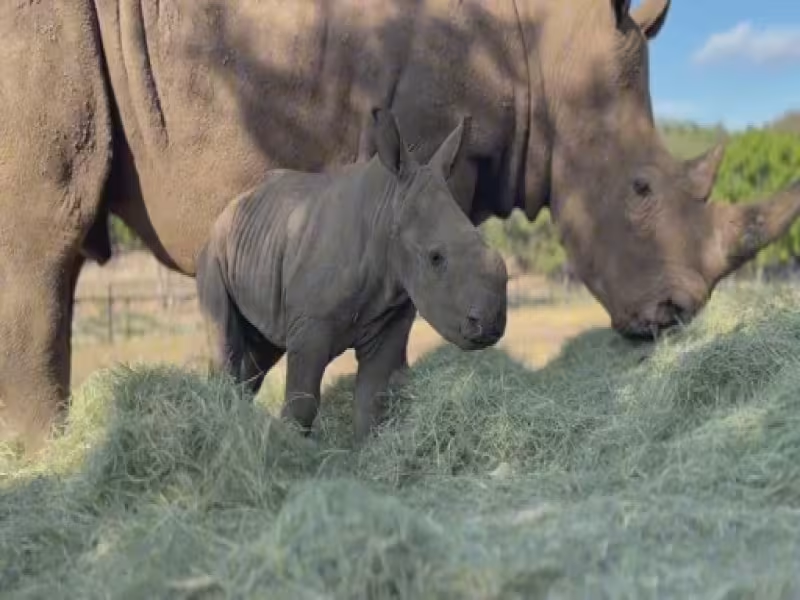
Texas Hill Country – September 22, 2026 -- Natural Bridge Wildlife Ranch has announced the birth of its third southern white rhino calf in three years, a rare feat among fewer than 10 such births publicly documented at U.S. facilities in 2026.
The milestone follows more than two decades of work toward the Ranch's first successful southern white rhino birth, which arrived in late 2023. Two more calves have followed within three years, turning that initial breakthrough into what officials call a sustained breeding program.
Southern white rhino births remain rare in zoological settings
Research cited by the Ranch shows only about one-third of southern white rhinos in zoological care ever reproduce during their lifetimes. Pregnancy lasts roughly 15 to 16 months, typically produces a single calf, and females generally space several years between births.
"Three calves in three years is an extraordinary milestone for our team and for the future of this species," said Tiffany Soechting, Animal Specialist at Natural Bridge Wildlife Ranch. She credited the outcome to "the care, patience, and commitment of our entire team."
Success depends on genetics, nutrition and long-term herd management
Dr. Stephen Momberg, Director of Veterinary Care & Research Programs for Save the Giraffes and a wildlife veterinarian conducting research at the Ranch, said timing, herd dynamics, genetics, nutrition, space, and long-term management all have to work together for a birth to succeed. He called the three births in three years "a meaningful indication" that the Ranch has established conditions for sustained reproductive success.
Wild rhino populations continue to decline sharply
The International Rhino Foundation estimates approximately 15,752 white rhinos remain across 11 African countries, down from 17,464 in 2023. Poaching remains the greatest threat, compounded by habitat pressure, drought, and increasingly fragmented populations.
Managed breeding programs do not replace conservation efforts in native rhino habitats, but they help maintain genetically sustainable populations under professional care while supporting veterinary research, education, and collaboration.