Public Health

Free Berlin Art Show Tackles Antibiotic Resistance

Berlin – November 05, 2026 -- Visitors can see a free art exhibition on antibiotic resistance from November 7 to 14, 2026, on the ground floor of the ALEXA shopping center at Alexanderplatz.

"Sketching Antimicrobial Resistance – Thirty Stories, One Health" is a European touring exhibition, and Berlin is its first stop in Germany. ALEXA is hosting it together with the Federal Ministry of Health. It can be visited during the center's regular hours, Monday to Saturday from 10 a.m. to 8 p.m.

Thirty illustrations turn a complex topic into images

The show consists of 30 illustrations by artists from all EU and EEA member states. They cover the proper use of antibiotics, hygiene and infection prevention, the protection of pets and farm animals, and the effects on the environment. The visual language is meant to be understandable regardless of age or prior knowledge.


Crohn's Diagnosis Takes Women Up to 8 Months Longer Than Men

Wiesbaden – November 04, 2026 -- Women with Crohn's disease waited a median of 12.6 months for a diagnosis, compared with 4.5 months for men, according to a multicenter study. The figures come as Germany marks Gastrointestinal Health Day on November 7.

Around 650,000 people in Germany live with Crohn's disease or ulcerative colitis, two of the most common chronic inflammatory bowel diseases (IBD). Symptoms such as abdominal pain, diarrhea and exhaustion have many possible causes, so the path to a diagnosis can be long.

Ulcerative colitis shows the same gap

For ulcerative colitis, the median time to diagnosis was 2.7 months for men and 6.1 months for women.

Michael J. Fox Foundation, Medtronic Launch DBS Education Hub

NEW YORK – November 04, 2026 -- People with Parkinson's disease and their caregivers can now find an online hub, a practical guide and an interactive webinar explaining deep brain stimulation (DBS) at michaeljfox.org/dbs. The Michael J. Fox Foundation for Parkinson's Research (MJFF) and Medtronic plc built the materials together.

The hub covers how DBS works, its risks and life after surgery

The resources, collected in "The Live On with DBS Education Hub," explain how DBS works and its potential benefits and risks. They also cover preparing for surgery, adjusting to life with a DBS device, and the latest research advances. More programming is planned.

Medtronic is the premier partner of the initiative. MJFF says industry support lets it keep editorial oversight of the content while directing donor-raised dollars toward research.

Thyroid Eye Disease Week 2026: Free Guides, Videos, Patient Stories

CHICAGO – November 04, 2026 -- Prevent Blindness has declared Nov. 9-15, 2026, its Seventh Annual Thyroid Eye Disease (TED) Week, with free educational resources in English and Spanish for people living with the condition.

What thyroid eye disease does to vision and appearance

TED, also called Graves' ophthalmology or Graves' eye disease, is often caused by certain types of thyroid disease. According to the Cleveland Clinic, it can inflame and swell the tissues around the eyes and cause pain. Most cases are mild. Severe cases can keep the eyes from moving and closing properly, make the eyes bulge and cause double vision. These changes can alter physical appearance and reduce quality of life.

Yale Medicine reports that TED affects 25-50 percent of people with Graves' disease.

PG&E Offers Free Home Gas Safety Checks Before Winter

Oakland – November 02, 2026 -- Pacific Gas and Electric Company (PG&E) is offering free in-home gas safety checks, and technicians will also re-light pilot lights on heaters and other appliances that were switched off during warmer months.

Technicians inspect water heaters, furnaces and ovens

The checks are meant to confirm that gas appliances are working safely and efficiently, which lowers the risk of carbon monoxide (CO) poisoning at home. CO is especially dangerous because it can't be seen, smelled or heard.

According to the Centers for Disease Control and Prevention, more than 400 Americans die each year from unintentional CO poisoning not linked to fires. More than 100,000 visit the emergency room, and more than 14,000 are hospitalized. Since the start of 2026, PG&E has responded to more than 6,300 incidents where CO was suspected.

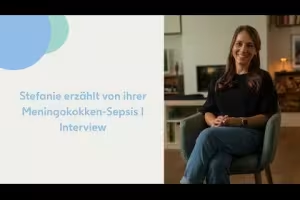
Survivor: Meningococcal Sepsis Nearly Killed Her at Age Two

Munich – November 03, 2026 -- Germany's Standing Committee on Vaccination (STIKO) recommends meningococcal B vaccination for all children from two months until their fifth birthday, and health insurers across Germany cover the cost. For Stefanie, who survived meningococcal sepsis at age two, the shots did not yet exist.

A harmless-looking fever turned life-threatening within hours

Stefanie was playing in the garden that afternoon when a fever set in. Her mother assumed an ordinary infection. During the night, the child's condition became critical: her fever climbed to 41 degrees, she stopped responding, and red spots appeared on her skin.

Her mother fetched a doctor who lived nearby, and he recognized the seriousness at once. In the hospital, doctors diagnosed meningococcal sepsis. Her circulation had already begun to fail. Doctors later told her mother that 30 minutes more would have left them unable to help.

How to Choose a Primary Care Provider: 7 Factors to Weigh

Moses Lake – November 02, 2026 -- Before you book a first appointment with a primary care provider, check whether the clinic takes your insurance, sits near home or work, and is accepting new patients. Those are among the practical steps in a HelloNation article featuring Sheila A. Berschauer, a Healthcare Services Expert at Moses Lake Community Health Center in Moses Lake, Washington.

Match the provider to your health needs

Some people mainly need routine wellness visits and preventive screenings. Others need ongoing treatment for conditions such as diabetes, asthma, or high blood pressure. The article advises choosing a provider with experience treating similar conditions, so care stays consistent and personalized.

Early Cavities Can Sometimes Heal Without a Filling

SANTA MONICA – November 02, 2026 -- Early tooth decay does not always call for a filling, according to a HelloNation article featuring Dr. Kari Sakurai of Pacific View Smile Center, who explains that mineral loss in enamel can sometimes be reversed before a hole forms.

Enamel can regain minerals if its structure is intact

In the earliest stage, decay involves mineral loss from enamel without a physical cavity. Dentists often call this enamel demineralization. Bacteria in the mouth produce acids that strip calcium, phosphate and other minerals from enamel, and frequent exposure to sugars and fermentable carbohydrates can intensify those acid attacks.

A white or chalky area can be an early sign. At that point, the surface has not yet collapsed into a cavity.

Men Make Up Nearly 3 in 4 German Road Deaths, Data Shows

Wiesbaden – November 02, 2026 -- Men accounted for 58.2% of all people injured or killed on German roads in 2025, and for 73.6% of those who died, according to Germany's Federal Statistical Office (Destatis).

That works out to 217,000 men against 156,100 women (41.8%). The more serious the injury, the larger the male share: 57.1% of the slightly injured, 64.0% of the seriously injured and 73.6% of the fatalities. Destatis released the figures ahead of International Men's Day on November 3.

Men face a one-third higher risk per capita

Per 100,000 inhabitants, 526 boys and men were injured or killed in traffic last year, versus 369 girls and women. For deaths, the gap is wider: about 5 males per 100,000 died, more than double the rate for females (2). Destatis notes that men travel more overall and more often use vehicles with graver crash consequences, such as motorcycles.

Flu Shot Season: Who Should Get Vaccinated in Germany

Frankfurt – November 02, 2026 -- Germany's Standing Committee on Vaccination (STIKO) urges certain groups to get their annual flu shot between October and mid-December, yet vaccination rates remain low among many of them.

Protection takes 10 to 14 days to build

A common cold, often called a "flu-like infection," has nothing to do with real influenza, which is caused by influenza viruses. The annual vaccination is the most important preventive measure. After the shot, the body needs about 10 to 14 days to build sufficient protection.

In recent years, Germany's flu wave has mostly started after the turn of the year. Getting vaccinated before then is best, but a shot in early January can still be worthwhile. According to the source, vaccination remains useful into spring.