Public Health

Safer Internet Day 2027: Fighting Image-Based Sexual Abuse Online
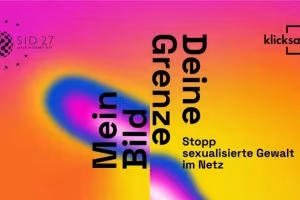
Ludwigshafen -- Safer Internet Day falls on February 9, 2027, and Germany's klicksafe initiative is calling on schools, companies, authorities and clubs to register their own events now. This year's motto is "Mein Bild – Deine Grenze" ("My Image – Your Boundary"), with a focus on stopping sexualized violence online.

Sextortion and grooming are hitting more children

Sexualized deepfakes, cybergrooming and sextortion are increasingly affecting children and teenagers, according to klicksafe. Sextortion means blackmailing victims with intimate images. One example from the organizers: a girl refuses to send more photos, and the other person threatens to forward her pictures to all her contacts.


5 Pediatrician Tips for a Safer, Healthier Halloween

PITTSBURGH – October 29, 2026 -- Pedestrian deaths are nearly 45% higher on Halloween than on other evenings around the same time of year, so Allegheny Health Network (AHN) pediatricians are urging families to take five precautions before kids hit the streets this weekend.

Bright colors and supervision cut pedestrian risk

The 45% figure comes from the Journal of American Academy of Pediatrics. AHN advises dressing children in bright or reflective clothing and choosing costumes that fit well to reduce tripping and falls.

Children under 12, or those who need an extra set of eyes, should be supervised. Stick to well-lit streets with sidewalks, cross at designated intersections, and show your child how to dial 911 in an emergency.

60,000 White Flags to Fill the National Mall for Lung Cancer

WASHINGTON – October 29, 2026 -- LUNGevity Foundation's Every Breath Forward campaign will plant 60,000 white flags on the National Mall on November 1. During Lung Cancer Awareness Month, anyone can join through a home display, a volunteer shift, or a virtual dedication.

Each flag honors two lives lost to lung cancer

Each flag represents two of the more than 120,000 people who die from lung cancer in the United States every year. Volunteers will plant the flags, and a Survivor Rally will honor survivors and call for greater awareness and research.

On November 10 at 10 a.m., LUNGevity will hold a press conference on the National Mall with policymakers, survivors, advocates, researchers, and healthcare experts. Participants will call for sustained federal research funding, expanded access to lung cancer screening and early detection, and equitable access to advances in care.

57% of Young Germans Want Influencer Junk Food Ads Banned

Osnabrück – October 29, 2026 -- A majority of young people in Germany want influencers barred from advertising unhealthy food, according to a representative survey commissioned by the Federation of German Consumer Organisations (vzbv). In the poll, 57 percent of 14- to 25-year-olds agreed that influencers should not promote unhealthy foods.

Four in ten have bought food because an influencer recommended it

The survey also found that 40 percent of respondents have bought at least one food product because an influencer endorsed it. At the same time, 87 percent said they can easily recognize advertising on social media.

Consumer advocates say labeling is not enough

For the vzbv, those two findings together show that mandatory ad labeling falls short. The organization argues that influencer marketing works precisely because products are woven into personal stories, daily routines and seemingly authentic recommendations.

Brain Fog Is a Signal, Not a Diagnosis, Expert Says

ODESSA, Texas – October 29, 2026 -- If you feel mentally slow, forgetful, or unable to concentrate for several weeks, a HelloNation article says it is worth raising with a healthcare provider. It describes brain fog as a signal that something else needs attention, not a medical diagnosis.

Stress is one of the most common triggers in adults

According to the article, stress is among the most common contributors to brain fog in adults. When the body stays in a heightened state too long, focus and memory often suffer. The article adds that the body was not designed to stay on high alert, and when stress becomes constant, cognitive symptoms often follow.

Mood and sleep also play a part, though the link is not always obvious. Anxiety and low mood can make thoughts feel scattered or slow.

How to Talk to Your Teen About Alcohol and Cannabis

United States – October 29, 2026 -- Parents have more sway over teen drinking than many assume: 74% of teens say their parents are the biggest influence on whether they drink alcohol. Mothers Against Drunk Driving (MADD) built its Power of Parents program around that finding, with conversation tools for caregivers.

One in three teens mixes alcohol with other drugs

Studies cited by MADD show that 1 in 3 teens combine alcohol with other substances such as cannabis, nicotine and other stimulants. On those occasions they experience 2 to 3 times more consequences. MADD calls all of these harms preventable.

Healthgrades Names 2027 Top Hospitals as Patients Weigh Quality

DENVER – October 29, 2026 -- Healthgrades has named the recipients of its 2027 Specialty Excellence Awards, Outpatient Awards and Specialty State Rankings, giving patients a way to compare hospitals by specialty, procedure and state. The announcement comes with new Healthgrades research: 80% of patients who have looked or plan to look for a doctor this year consider the quality of the hospital where that doctor practices.

The preference is strong. When choosing between two doctors for a procedure, 68% of patients say they are more likely to pick the one at a hospital with high quality ratings for their condition. According to the research, 71% would switch doctors to reach a higher-rated hospital.

FOCUS Hospital List 2027 Names 1,768 Top Clinics in Germany

Munich – October 29, 2026 -- Patients facing a serious diagnosis can now check 1,768 recommended specialist clinics across 57 medical fields and conditions, from ophthalmology to dentistry, in the new FOCUS-Gesundheit "Klinikliste 2027". The recommendations are available in the print issue and online through the FOCUS-Gesundheit clinic search.

Four weighted criteria decide who makes the list

The research behind the list draws on data from 1,577 public hospitals and 13,980 specialist clinics. FOCUS-Gesundheit developed the method with the research institute FactField. It rests on more than 40 public sources plus a clinic survey with questionnaires tailored to each specialty.

One key source is the legally required structured quality reports. They contain case numbers for specific diagnoses and therapies, plus structural figures such as staff numbers. Certificates from medical societies, doctor recommendations and patient reviews are added.

Why Quitting Smoking Makes You Hungry: What Happens in Your Body

Berlin – October 29, 2026 -- Ex-smokers gain an average of 4 to 5 kilograms in the first year after quitting, and the cause is metabolic rather than a lack of willpower.

Two effects disappear when the last cigarette goes out

Nicotine stimulates the sympathetic nervous system, which raises energy use. While smoking, the daily basal metabolic rate is estimated to be about 7 to 15 percent higher, equal to roughly 100 to 250 extra kilocalories per day. After quitting, resting energy use drops back to normal.

Nicotine also acts as an appetite brake. It works on receptors in the hypothalamus that control hunger and satiety, so appetite rises noticeably after quitting.

Heart Attack vs. Cardiac Arrest: Why the Difference Matters

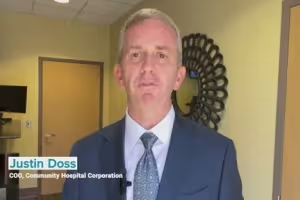
Beaumont – October 29, 2026 -- A heart attack and a cardiac arrest are not the same emergency, and knowing which one is happening determines what help a person needs. A new HelloNation article, featuring Justin Doss, COO of Community Hospital Corporation of Baptist Hospitals of Southeast Texas in Beaumont, explains the distinction.

A heart attack is a blocked artery; cardiac arrest is an electrical failure

A heart attack happens when a blocked artery cuts off blood flow to the heart. Oxygen to the heart muscle drops, and damage can build over time. The heart usually keeps beating, and warning signs such as chest pain, shortness of breath, or fatigue tend to develop more gradually.

Cardiac arrest is a sudden loss of heart rhythm that makes the heart stop beating. It often comes without warning, and a person can collapse instantly. Without immediate CPR or defibrillation, it can be fatal within minutes.