ADAC

Germany's Driving Licence Moves to Your Smartphone in November

Munich – November 04, 2026 -- German drivers will be able to leave their card licence at home from the end of November, when the digital driving licence is due to launch. After the digital vehicle registration document, the driving licence is the next document to move onto the smartphone. ADAC legal experts have explained how it works and what motorists need to know.

Setup requires your ID card's online function and PIN

Users must first prove their identity online. This requires the online ID function of the German identity card and its PIN. The licence is then stored digitally through the Federal Motor Transport Authority's free i-Kfz app.

The digital licence is valid only inside Germany

At launch, the digital version is accepted only in Germany. Anyone driving abroad must still carry the card licence.
Diesel Now Over 20 Cents Pricier Than Petrol in Germany

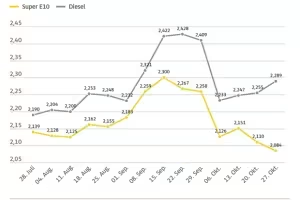
Munich – October 29, 2026 -- Diesel now averages 2.289 euros per liter across Germany, more than 20 cents above Super E10 at 2.084 euros, according to current figures from motoring club ADAC.

Petrol gets cheaper while diesel climbs

Compared with the previous week, Super E10 fell by 2.6 cents per liter. Diesel rose by 3.4 cents over the same period. Petrol had already become cheaper the week before, despite rising oil prices.

Brent crude trades at roughly $114 a barrel

The price of North Sea Brent is up from last week. ADAC links the diesel increase to the higher oil price, the tense situation on international diesel markets, and growing demand for heating oil as the colder season begins.

Filling up shortly before noon costs less

ADAC advises drivers to refuel shortly before 12 p.m. when possible, since prices are lowest then. At noon they rise sharply, then slowly fall again.

Fuel Prices Surge Again: German Drivers Pay More at the Pump

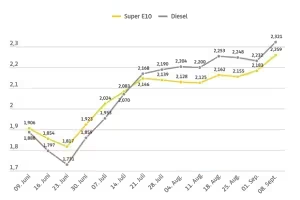
Germany – September 13, 2026 -- Drivers across Germany are paying significantly more for fuel this week, with the ADAC's latest weekly survey showing Super E10 up 7.6 cents per liter to a national average of 2.259 euros. Diesel climbed even faster, rising nearly 9 cents to 2.321 euros per liter.

Oil prices rose, but only partly explain the jump

The ADAC links the increase to a higher oil price, with Brent crude currently trading just under 100 US dollars per barrel. However, the association says the oil price and the euro-dollar exchange rate only partially justify current pump prices.

ADAC Study: Winter Tires Lose Grip Fast Below 4mm Tread

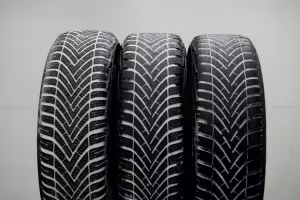
Munich – September 10, 2026 -- German auto club ADAC has found that winter tires start losing significant safety performance once tread depth drops below four millimeters, well above the legal minimum of 1.6 millimeters allowed in Germany.

ADAC tested five tires worn down to specific depths

Researchers took five winter tires from different manufacturers and price ranges and used a specialized machine to wear them down to four millimeters and two millimeters of remaining tread. The tires then underwent handling and braking tests on wet and snow-covered surfaces.

ADAC Warns of Heavy Traffic as Summer Holidays End in Germany, Austria

Munich – September 09, 2026 -- Drivers across Germany, Austria, Switzerland and Italy should brace for heavy congestion this weekend as the return wave from summer holidays collides with ongoing vacation traffic, the ADAC warns.

With school holidays ending in Bavaria, Baden-Württemberg and the last Austrian regions, return traffic from the south toward the north is expected to peak. At the same time, outbound traffic toward the Alps, lakes, coasts and low mountain ranges remains elevated.

Friday evening and Saturday carry the highest risk of gridlock

The ADAC identifies the worst congestion windows as Friday afternoon and evening, Saturday morning, and the return rush from Saturday afternoon through Sunday evening.

ADAC Warns: R134a Car AC Refills Set to Get Costlier and Scarcer

Munich – September 07, 2026 -- Owners of older cars running on the R134a refrigerant could soon face pricier and harder-to-schedule air conditioning maintenance, according to Germany's ADAC motoring club. Tighter EU rules are further restricting the use of R134a, while no widely available, legally approved alternative exists yet for the existing vehicle fleet.

New cars have banned R134a since 2017
New passenger vehicles have not been allowed to use R134a since 2017, and some workshops now offer conversions to the newer, more climate-friendly refrigerant R1234yf. However, existing R134a systems are generally not built for that swap, and ADAC says clear approvals and technical sign-offs for such conversions are still missing -- raising open questions about vehicle operating permits and liability.