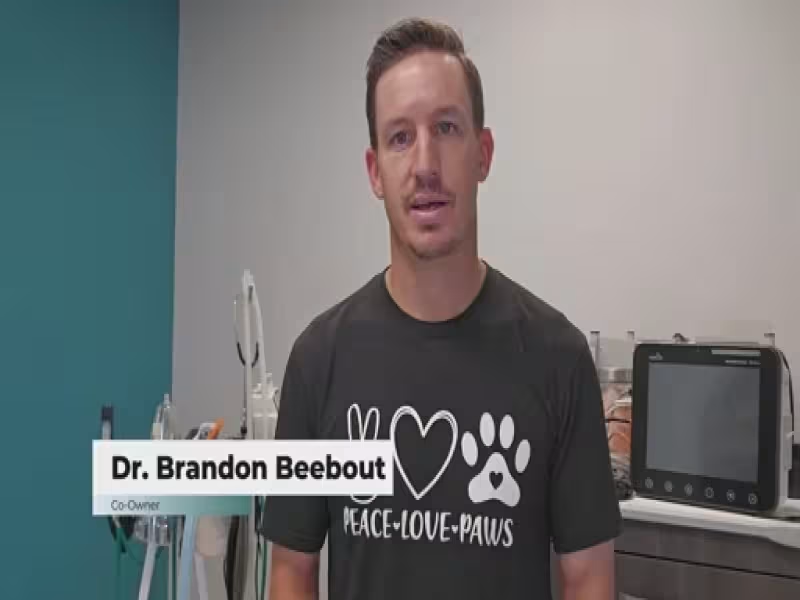
Kearney – November 05, 2026 -- Pet owners should start talking with their veterinarian about end-of-life care when the first signs of long-term illness or decline appear, not during an emergency. That is the advice of Drs. Brandon and Paola Beebout of Kearney, Nebraska, in a HelloNation article titled "When to Start the Conversation About End-of-Life Care."
Waiting too long shrinks your options
According to the Beebouts, many families hold off on raising concerns about aging or chronically ill pets. That delay can reduce the time available for decisions and limit care options.
Small changes at home can be early warnings
Shifts in energy, decreased mobility, or a changing appetite often go unnoticed or get dismissed as normal aging. The article says these changes can point to conditions such as arthritis, cancer, or kidney disease. The veterinarians recommend treating them as a cue to start conversations about veterinary palliative care and end-of-life planning.
Owners see what lab results can miss
The article stresses that owners' daily observations give vets information that lab results or exams might not reveal. Owners are encouraged to mention differences in how their pets move, eat, breathe, or interact at home.
A care plan can cover pain, hospice, and euthanasia
Once the discussion begins, families can address pain management, hospice options for pets, adjustments to daily routines, and eventual decisions around humane euthanasia. The article presents these as parts of a broader plan to preserve the pet's quality of life for as long as possible.
The Beebouts base their guidance on their work at Beebout Veterinary Medical Center. They favor proactive communication and care plans tailored to each animal's condition.