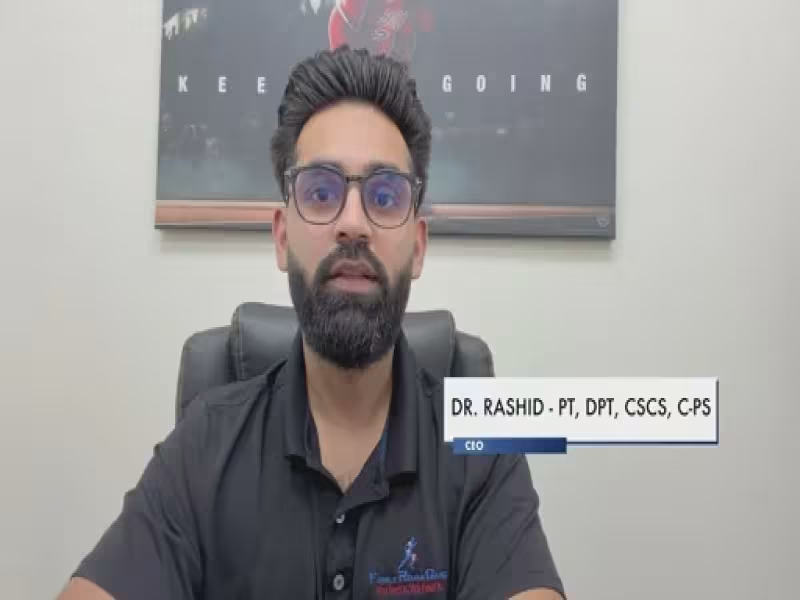
Taylor, Mich. – October 02, 2026 -- Dr. J. Rashid, Doctor of Physical Therapy and clinic director at Family Rehab Care in Taylor, MI, is warning surgery patients that feeling better right after an operation does not mean rehab is optional.
Surgery fixes structure, but rehab restores function
According to Dr. Rashid, surgery corrects the physical problem, while physical therapy rebuilds the strength, mobility, stability, and coordination needed to actually use the repaired body part. Patients who skip rehab often develop stiffness, weakness, and compensation patterns that surface as new pain or injury months later.
Prehab before surgery improves long-term outcomes
Pre-operative rehab, or prehab, helps patients build strength and mobility before going under the knife, while also setting realistic expectations about recovery and prognosis. Dr. Rashid notes that patients who complete prehab tend to recover more efficiently after surgery and show better long-term results.
Post-op rehab prevents the body from compensating
After surgery, rehab focuses on restoring movement, rebuilding strength, and retraining coordination. Without it, muscles weaken quickly, and the body shifts stress onto other joints, a compensation pattern that can trigger entirely new injuries over time.
Return-to-work programs test real-world readiness
For patients heading back to physically demanding jobs, the article points to work hardening programs and Functional Capacity Evaluations (FCEs) as tools to gauge whether someone is truly ready to resume job-specific tasks without a high risk of reinjury.
Dr. Rashid frames recovery in Downriver Michigan as a full continuum: prehab, post-operative rehab, and functional reintegration. Completing each phase, the article states, builds the confidence and durability needed for a lasting return to normal activity.