Racine, Wis. – November 07, 2026 -- Glaucoma patients who struggle with daily eye drops may have another route to steadier eye pressure: minimally invasive glaucoma surgery, known as MIGS, which may reduce how many medications some patients need, according to a new HelloNation article.
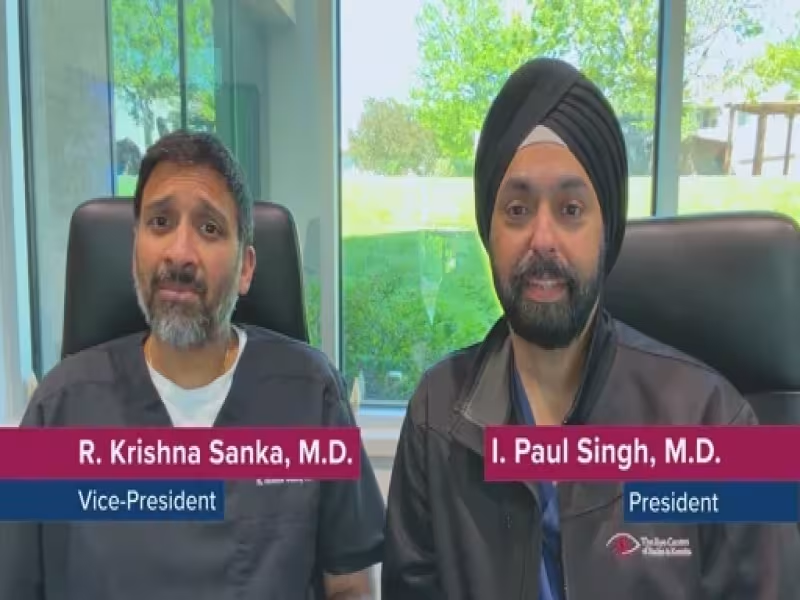
The piece draws on insights from Dr. Singh and Dr. Sanka of the Eye Centers of Racine and Kenosha. It describes how glaucoma treatment has changed over the past few years, with newer approaches helping some patients address eye pressure earlier in the disease process.
Drops remain the first step, but they demand consistency
Glaucoma develops when increased eye pressure gradually damages the optic nerve. Without proper treatment, that damage can lead to permanent vision loss. For many patients, eye drops remain an important first step because they lower eye pressure and slow progression.
Long-term use can be difficult, though. Missed doses can allow pressure to rise again, and some patients experience redness, dryness, burning, or irritation after years on medication.
MIGS aims to improve drainage with less recovery time
MIGS is designed to improve fluid drainage within the eye and involves less recovery time than traditional glaucoma surgery. The procedures may lower pressure enough that fewer medications are needed afterward.
The article says MIGS is commonly performed during cataract surgery, though some procedures can be done independently. Not every patient can stop drops completely, but many may reduce the number of medications required for long-term management.
Specialists weigh four factors before recommending surgery
According to the article, specialists evaluate pressure stability, changes in the optic nerve, medication tolerance, and a patient's ability to reliably keep to a treatment schedule. Surgery may enter the conversation if medications no longer provide stable pressure control or if side effects interfere with comfort.
Traditional glaucoma surgery still plays a critical role for advanced disease. The article notes, however, that some specialists now consider procedural treatment sooner, rather than waiting for optic nerve damage to progress.
Treatment plans are highly individualized because every patient responds differently, the article says. Racine eye care providers assess the safest and most sustainable options for preserving long-term vision.