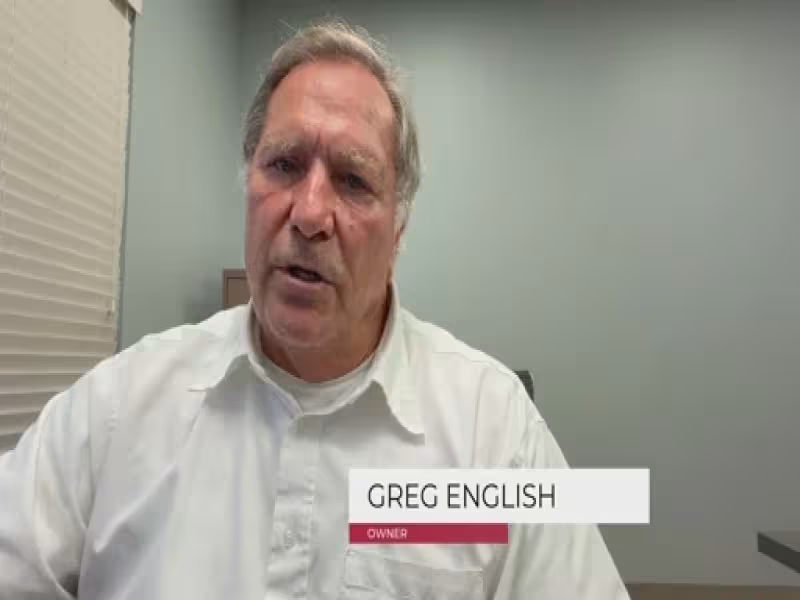
BATON ROUGE – November 10, 2026 -- Baton Rouge homeowners can tell an emergency roof leak from a repair that can wait by checking for active water flow, a bulging ceiling, and electrical risk, according to a new HelloNation article featuring roofer Greg English of Red Stick Roofing.
Active water and sagging ceilings demand immediate action
Water that steadily drips or flows into living spaces calls for immediate attention. A leak during rainfall means water is moving through the roofing system right now, which raises the risk of serious water damage.
A swollen or sagging ceiling is another urgent sign. It often means water has collected above the drywall, adding weight that can lead to collapse. The article says bulging indicates the problem has gone well beyond a minor repair.
Leaks near outlets, panels, or fixtures are always emergencies
Any leak near outlets, breaker panels, or ceiling fixtures should be treated as an emergency because of the risk of shock or fire. The article advises keeping people away from the affected area until professionals can inspect the roof.
Location matters more broadly, too. Leaks over kitchens, attics, or areas with wiring and appliances carry higher risks than those in less critical spaces.
Minor stains can wait, but humidity makes them risky
Light ceiling stains or minor discoloration without active dripping may allow time for a scheduled repair. Delay should not mean ignoring the problem, though. In Baton Rouge's humid climate, moisture lingers and spreads, so a slow leak can worsen quickly.
English points to subtle signs of hidden damage: musty odors, peeling paint, and damp insulation. Water can also travel along rafters and show up far from where it entered, which makes early inspection important even when symptoms look small.
Storm timing helps pinpoint the source
Leaks that appear only during heavy rain may point to damaged shingles, flashing, or roof valleys. Moisture that persists after the storm ends may indicate water trapped within the roofing structure, which can cause ongoing damage.
Contain the water, but stay off the roof
To limit interior damage, the article recommends placing containers under drips and moving valuables out of affected areas. It cautions against climbing onto a wet roof, noting that a professional inspection is safer and more effective once conditions improve.