Berlin – October 29, 2026 -- Well-insulated homes can trap moist air once the heating season starts and windows get shut, according to Jay Buis, an expert at Luftentfeuchtershop. A tightly insulated house keeps heat inside, but it also lets less air escape on its own. Ventilating less on top of that can lead to moisture problems.
Cold surfaces turn indoor humidity into droplets
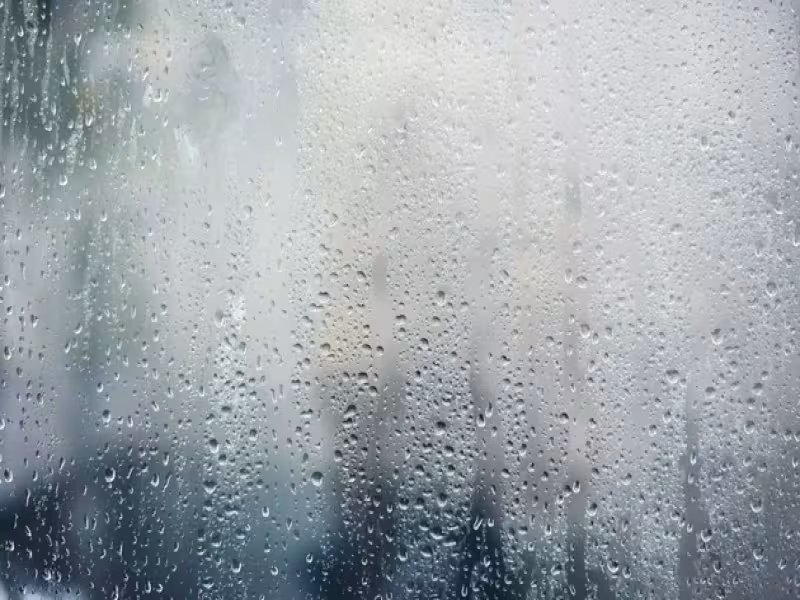
As outdoor temperatures fall, windows and other surfaces in the home get colder. When warm, humid room air touches a cold window or door, the water vapor condenses into visible droplets. Simon Schmidt, head of hygrothermics at the Fraunhofer Institute for Building Physics (IBP), says occasional condensation is usually no cause for concern. Typical examples are bedroom windows in the morning or bathrooms right after a shower.
Condensation that appears regularly, or water that stays visible in the same spot for a long time, can point to structurally high humidity. Schmidt describes water collecting on window frames and sills, or moisture showing on walls and in corners, as a warning sign.
New builds and retrofitted homes collect moisture faster
Better insulation and sealing means less air flows into a home and back out, carrying water vapor with it. Meanwhile, breathing, showering, cooking and drying laundry add moisture all the time. Buis notes that retrofitted houses lose the unintended gap ventilation that once handled part of the air exchange.
Well-insulating glass also stays warmer on the inside, so moisture can settle on other cold spots. These include exterior corners, joints around windows and areas behind large furniture on an exterior wall.
Short, intense airing beats a cracked-open window
Cold outdoor air often feels damp, yet it holds relatively little water vapor at low temperatures. Schmidt says windows do not need to stay open constantly. Short bursts of intense airing are generally more effective and save more energy than leaving windows open a crack for long periods.