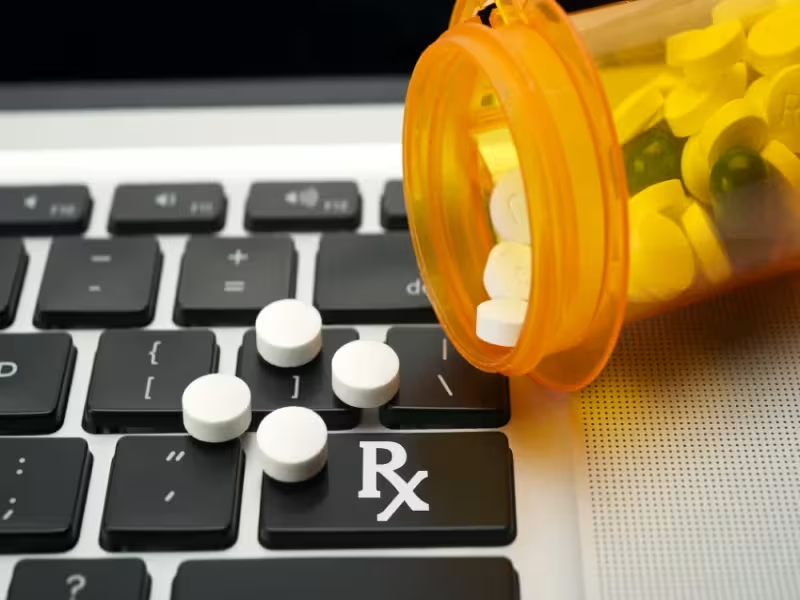
United States – October 19, 2026 -- Parents can cut the risk of teen drug poisoning by setting app permissions, locking down privacy settings and talking openly about fentanyl, according to the Organization for Social Media Safety. The group says its own testing found it takes about three minutes to connect with a drug dealer on social media and receive a "menu" of drugs for sale.
A teen who thought he bought Xanax died of fentanyl
Sammy Chapman was an A student whose parents, Sam and Laura, worked to keep him away from dangerous people and places. A dealer contacted him on Snapchat and delivered drugs to his home. Sammy snuck out after his parents went to sleep and met the dealer, who gave him a lethal dose of fentanyl. He believed he had bought Xanax. The organization says thousands of children died this past year from drugs bought through social media.
Overdose deaths are up almost 30%
Fentanyl is a synthetic opioid that is twice as addictive as heroin and 100 times more powerful than morphine. It can be fatal even in microscopic doses. The organization says easy access through social media, combined with a surge in fentanyl supply, is behind record overdose deaths, which are up almost 30%.
Research from before the pandemic found that about a quarter of teens saw illegal drugs advertised on social media. The organization is conducting new research. It also cites figures showing that teens who use social media regularly are five times as likely to smoke cigarettes, three times as likely to abuse alcohol and twice as likely to use marijuana.
Dealers use emojis, fake business profiles and multiple apps
Dealers and buyers spread a single transaction across several platforms to evade safety protocols. They communicate in emojis to fool content moderators and set up fake profiles that look like small businesses. Snap's Vice President of Public Policy told a Congressional hearing that dealers are "constantly evading our tactics" on every platform.
The organization says many platforms still block parents from using third-party safety software such as Bark. It developed Sammy's Law, which it is working to pass in Congress, to require all social media platforms to give parents that choice.
Three steps parents and educators can take now
Talk. Explain that products bought from strangers on social media, including prescription drugs, supplements and diet pills, can be counterfeit or tainted. With fentanyl circulating, pills such as Vicodin, Xanax and Percocet now carry a greater risk of death.
Set rules. State plainly that your family prohibits drug use, including unprescribed prescription drugs. The organization says clearly communicating the rule makes compliance more likely.
Adjust settings. For tweens and younger teens, block app downloads without parental permission. Turn on maximum privacy settings so dealers cannot contact your child. The organization also recommends Bark for high-risk children, such as those with a history of substance abuse, behavioral problems, school problems or mental health issues. Some platforms, including Snapchat, block Bark on iOS, but it works with many of them on Android.