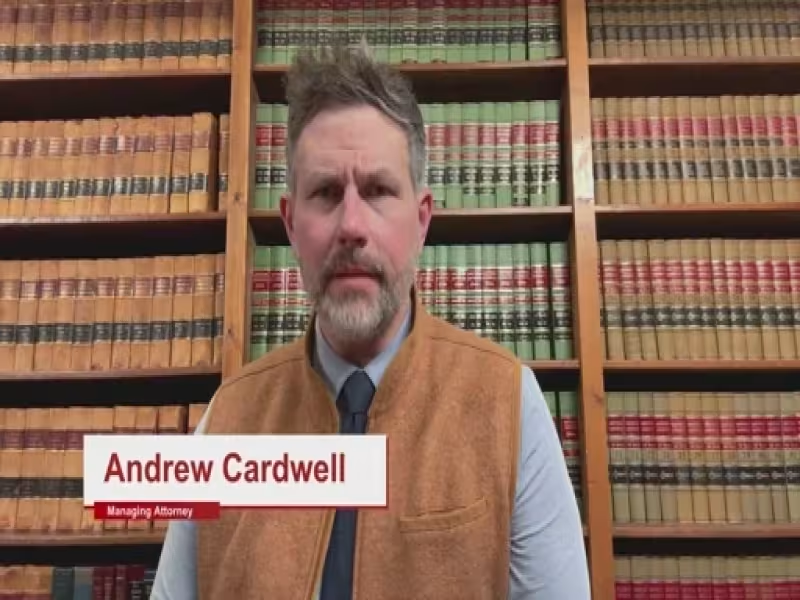
Laurel – – September 08, 2026 -- Mississippi property owners can reduce their exposure to lawsuits and estate complications by combining three specific legal and financial tools: an LLC, a trust, and insurance, according to a new analysis featuring attorney Andrew Cardwell of The Cardwell Firm, PLLC.
An LLC separates rental property from personal bank accounts
Placing real estate into a limited liability company makes the company the legal owner of the property, according to the analysis. This separation is designed to protect an owner's personal assets if a lawsuit stems from rental activity, a tenant injury, or a contract dispute. The strategy is most often applied to income-producing property such as rental homes and commercial buildings, which typically carry higher liability risk than a primary residence.
Trusts let property pass outside of probate under Mississippi law
A trust transfers real estate into a legal arrangement managed according to written instructions, allowing ownership to pass without going through probate. Not all trusts offer the same protection: a revocable trust provides flexibility but does not shield assets from creditors, while an irrevocable trust can offer stronger protection at the cost of the owner's direct control. The analysis stresses that a trust's structure must comply with Mississippi law to function as intended.
Insurance reacts to losses; LLCs and trusts prevent them
Hazard insurance covers storm or fire damage, while liability insurance and umbrella policies add coverage if someone is injured on the property or a claim exceeds standard limits. The analysis draws a clear line between the two approaches: insurance responds after a loss occurs, while an LLC or trust is built to limit exposure before a claim ever arises.
Many owners layer all three tools on a single property
A common setup described in the analysis involves a rental property titled in an LLC, held within a trust for estate planning, and covered by multiple insurance policies simultaneously. Each layer targets a different category of risk. The analysis notes that setting up an LLC requires more than filing basic paperwork, and that trust documents and insurance policies should be reviewed regularly as property values, uses, or family circumstances change.