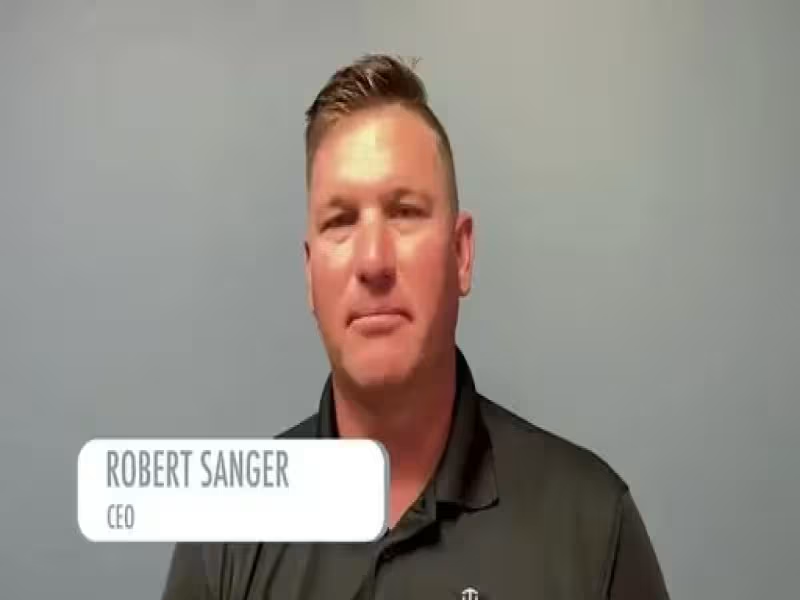
Lakeland – September 12, 2026 -- Metal roofing is gaining ground among Central Florida homeowners looking to survive hurricane season without a full roof replacement every couple decades. A new HelloNation article, featuring insights from Lakeland roofing expert Robbie Sanger, breaks down why the material is becoming a go-to choice in storm-prone parts of the state.
Metal panels can outlast asphalt shingles by decades
Asphalt shingles typically last 15 to 25 years, but properly installed metal roofing systems can last between 40 and 70 years, according to the article. That extended lifespan can offset the higher upfront cost, meaning fewer replacements and less disruption for homeowners over time.
Interlocking panels are built to resist hurricane-force winds
The article points to metal roofing's resistance to wind and hail as a key selling point over traditional asphalt shingles, which are more vulnerable to tropical storms. Interlocking metal panels and secure fastening systems offer stronger storm resistance and can reduce the risk of water intrusion during heavy rain. Homeowners are still advised to confirm that any system meets local building codes and wind-resistance standards.
Reflective coatings can cut summer cooling bills
Metal roofing often comes with reflective coatings or lighter color options that reduce heat absorption, a meaningful advantage during Central Florida's long, hot summers. Lower heat absorption translates into lower cooling costs, adding to the material's long-term value.
Less maintenance is needed compared to traditional materials
The article notes that metal roofing generally requires fewer repairs than asphalt shingles. Routine inspections and periodic checks of fasteners and sealants are usually enough to keep the system performing well over its lifespan.
Installation quality determines how well the roof performs
The article stresses that architectural style and neighborhood aesthetics should factor into the decision, since some homes may need customized finishes to fit in visually. It also emphasizes working with experienced roofing professionals, since proper installation directly affects storm resistance, energy efficiency, and how long the roof ultimately lasts — particularly given Central Florida's strict hurricane protection standards.