SHERIDAN, WYOMING – May 14, 2026 – POLARNEWS and IKARUS TOURS are offering travelers a new Arctic expedition aboard the MS Douglas Mawson, combining the Lofoten Islands, Greenland, Jan Mayen and Iceland in one extended journey across the polar region. The route focuses on dramatic fjords, northern lights viewing, volcanic islands and remote Arctic landscapes rather than traditional cruise entertainment. For travelers looking for quieter, experience-driven tourism away from crowded destinations, the expedition delivers access to some of the most isolated regions in the North Atlantic. The voyage also reflects the growing demand for polar travel experiences centered on nature, wildlife and slower travel.
Lofoten Islands Bring Northern Lights and Arctic Coastlines Into Focus
The expedition begins in Norway’s Lofoten Islands, where steep mountain ridges rise directly from the sea and fishing villages sit along narrow coastlines beneath changing Arctic light. During autumn departures, long twilight hours and clear skies create strong conditions for viewing the Aurora Borealis.
Guests aboard the MS Douglas Mawson spend evenings watching shifting green, blue and violet light formations move across the sky far from urban light pollution. The scenery changes constantly. One moment the coastline is covered in cold grey mist, the next it is lit by golden sunset reflections across the fjords.
The region has become increasingly popular with travelers searching for northern lights cruises and Arctic expedition experiences without the logistical complexity of Antarctica travel.
Jan Mayen Offers One of the Most Remote Stops in the North Atlantic
One of the rarest stops on the itinerary is Jan Mayen, the isolated Norwegian volcanic island located between Iceland and Greenland. Few expedition vessels visit the island because of its remote position and unpredictable Arctic weather conditions.
The approach to Jan Mayen is dominated by Beerenberg, the northernmost active volcano on Earth, rising more than 2,200 meters above the surrounding ocean. Snow-covered slopes, glaciers and dark volcanic rock create a stark contrast against the North Atlantic waters.
There is no large-scale tourism infrastructure here. No ports filled with souvenir shops or crowded viewing decks. Guests instead experience seabird colonies, drifting fog, Arctic silence and occasional whale sightings along the coastline.
Scoresbysund in Greenland Delivers Massive Ice Fjords and Glacier Landscapes
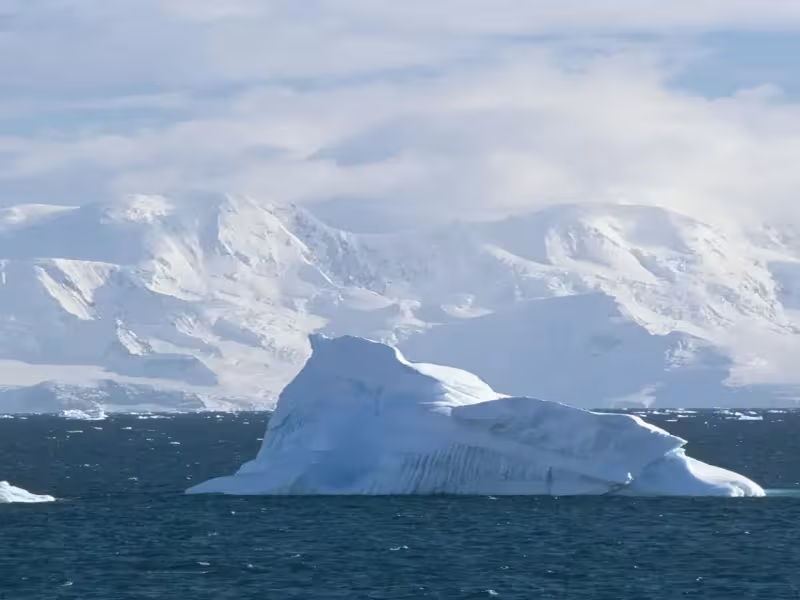
The voyage continues into Scoresbysund in eastern Greenland, considered the largest fjord system in the world. Towering icebergs drift slowly through narrow waterways while glaciers descend from steep mountain walls into the sea below.
For many travelers, this becomes the emotional center of the expedition. The scale is difficult to process in person. Ice cracks echo across the water while long stretches of silence dominate the landscape.
Small settlements in East Greenland also provide insight into Inuit communities living in one of the harshest environments on Earth. The expedition team aboard the ship provides lectures and background information about Arctic wildlife, geology, climate and regional history throughout the journey.
The environmental reality of the Arctic is also impossible to ignore. Changing ice conditions and visible glacier retreat make climate discussions feel immediate rather than abstract.
Iceland Adds Volcanoes, Waterfalls and Westfjord Landscapes
Iceland forms the final major section of the expedition, bringing a very different atmosphere compared with Greenland’s frozen fjords. Volcanic terrain, lava fields and powerful waterfalls dominate the landscape.
One highlight is the Dynjandi waterfall in Iceland’s Westfjords region. Its broad cascading shape spreads down the mountainside in multiple layers, creating a constant wall of mist and rushing water. Visitors often describe the sound alone as overwhelming.
The contrast between Iceland’s volcanic geography and Greenland’s ice-heavy scenery gives the expedition a broader sense of variety than many single-destination polar cruises. It also helps explain why Arctic expedition cruises continue attracting travelers searching for nature-focused travel experiences instead of resort tourism.
MS Douglas Mawson Focuses on Expedition Travel Instead of Traditional Cruising
Unlike mainstream cruise ships built around nightlife and large-scale entertainment, the MS Douglas Mawson centers its experience on exploration and education. Expedition leaders, scientists and polar specialists accompany guests throughout the voyage with presentations and guided discussions.
Smaller passenger groups allow for a more personal atmosphere on board and more flexibility during expedition activities. The ship also includes modern cabins, observation spaces and onboard dining designed for longer Arctic voyages.
The bilingual English and German expedition format makes the cruise accessible for both international and German-speaking travelers interested in polar tourism.
3 Reasons Arctic Expedition Cruises Continue Growing in Popularity
- Travelers increasingly prefer remote nature experiences over crowded tourism hotspots
- Northern lights tourism continues growing across Scandinavia and the Arctic region
- Expedition cruises combine wildlife, geology, glaciers and cultural experiences in one journey
Explore the full MS Douglas Mawson expedition itinerary, Arctic travel details and departure information at https://www.polarnews.de