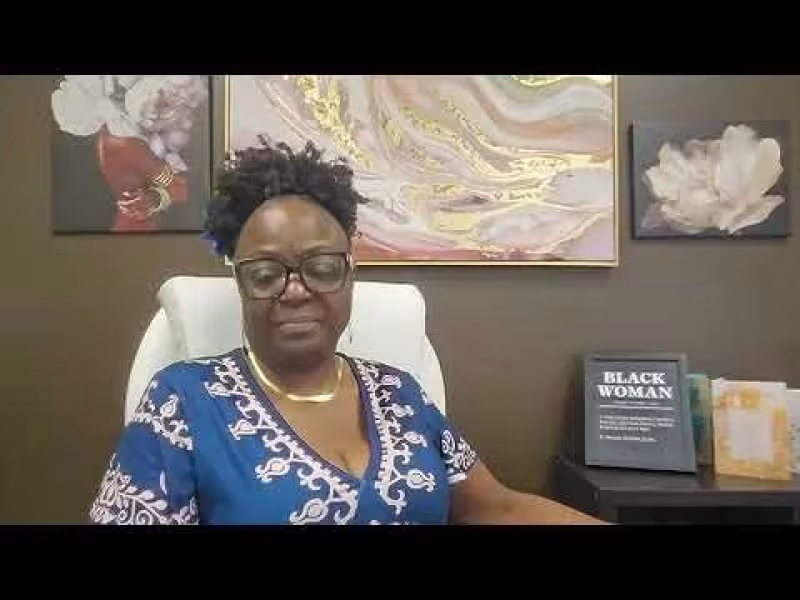
Youngstown, Ohio – September 15, 2026 -- Adults struggling with anxiety, depression, trauma, or mood disorders that outpatient therapy alone can't manage may be candidates for a partial hospitalization program, according to a new HelloNation feature spotlighting Gloris Griffin of Gloris Counseling Services LLC.
PHP fills the gap between weekly therapy and inpatient care
A partial hospitalization program, or PHP, provides structured daytime mental health treatment while allowing participants to return home each evening. The article describes it as a level of care for adults who need more support than weekly counseling but do not require overnight hospitalization. In the Mahoning Valley, these programs commonly serve people facing anxiety, depression, trauma-related concerns, mood disorders, or emotional crises disrupting daily life.
Stabilization and structured therapy sit at the center of treatment
The article identifies stabilization as a core PHP goal, aimed at people dealing with emotional overwhelm, rising stress, or difficulty managing work, home, and relationships. Treatment typically combines individual therapy with group counseling sessions focused on emotional regulation, communication, coping skills, and stress management. Group settings are also described as a way to reduce isolation by connecting participants with others facing similar challenges.
Skill-building and medical oversight extend beyond the treatment window
Programs emphasize practical tools participants can use after treatment ends, including mindfulness techniques, relapse prevention strategies, problem-solving methods, and conflict resolution skills. Some PHP services also incorporate medication management, psychiatric evaluations, or ongoing symptom monitoring, which the article says allows care plans to be adjusted quickly if symptoms shift during recovery.
Returning home nightly keeps participants connected to daily routines
Unlike inpatient hospitalization, PHP lets participants stay linked to their home environment while receiving intensive daytime support. The article notes this structure may help individuals practice coping strategies in familiar surroundings while maintaining family and support connections. A program may be recommended after a mental health crisis, emotional setback, or recent hospitalization, when outpatient counseling alone no longer provides enough support.
Family involvement and clinical evaluation shape whether PHP fits
Some PHP services include family therapy or educational sessions to strengthen support systems affected by a household member's mental health challenges. The article stresses that treatment recommendations are individualized, and clinical evaluations help determine whether PHP mental health services match a person's current symptoms, functioning, and safety needs.