Health, Wellness & Beauty

Huawei Watch D3 Teased at ESC Congress 2026 as Next Blood Pressure Watch
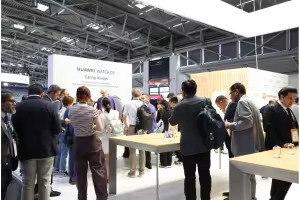
Munich – September 07, 2026 -- Huawei gave an early preview of its next-generation ambulatory blood pressure watch, the HUAWEI WATCH D3, at the European Society of Cardiology Congress in Munich, ahead of its official unveiling at the Huawei Innovative Product Launch on September 2.

Huawei's wrist blood pressure tech dates back to 2021.

The company entered the sports and health sector in 2014, gradually adding heart rate monitoring, SpO2 tracking and ECG recording before launching the HUAWEI WATCH D in 2021 -- its first wrist-worn ambulatory blood pressure monitor, certified as a medical device in China and the European Union. The HUAWEI WATCH D2 followed in 2024 with 24-hour ambulatory blood pressure monitoring.

RingConn Gen 3 Smart Ring Debuts Vascular Trend Tracking at IFA 2026

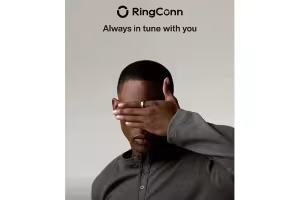
Berlin – September 07, 2026 -- RingConn will let visitors try its Gen 3 Smart Ring at IFA 2026 in Hall 14, Booth 121, from September 4 to September 8, with the device also featured at ShowStoppers.

The Gen 3 ring has already earned strong ratings from German outlets CHIP.de and connect.de for its health-tracking capabilities.

The ring analyzes vascular trends after calibration with blood pressure readings

Gen 3's headline feature tracks changes in vascular strain over time. Once calibrated against externally measured blood pressure values, the ring's sensors monitor how vascular strain shifts across days and weeks. RingConn notes the product is not intended to diagnose, treat, or prevent disease and does not replace medical advice.

Do Blue Light Glasses Actually Work? An Optometrist Weighs In

Florence, Ky. – September 07, 2026 -- Blue light glasses can ease digital eye strain for people who spend long hours staring at screens, but they are not a cure-all, according to optometrist Andrea Hill of Arnett Vision Care in Florence, Kentucky.

Patients report fewer headaches with consistent use

Hill says patients who wear blue light glasses regularly while working at a computer often report less eye irritation, fewer headaches, and more overall comfort by the end of the workday. The glasses do not treat underlying vision conditions, but they can reduce symptoms tied to prolonged screen exposure.

Computer vision syndrome causes dryness, blur, and fatigue

Extended computer use can trigger computer vision syndrome, marked by dryness, blurred vision, and fatigue. Hill notes that blue light glasses work best as part of a broader strategy rather than as a standalone fix.

30% of Men Over 55 Skip Prostate Cancer Screening, Survey Finds

Columbia, Md. – September 07, 2026 -- A new national survey from MedStar Health finds that 30% of men age 55 and older have never had a prostate exam, and nearly four in ten have skipped the prostate-specific antigen (PSA) blood test, despite prostate cancer being one of the most common cancers in men.

PSA screening is recommended at least every two to four years for average-risk men ages 55 through 69. About one in eight men will be diagnosed with prostate cancer during their lifetime.

Doctors say vague early symptoms lead men to delay testing

"Prostate cancer is common, and it may not cause clear symptoms early on," said Jonathan J. Hwang, MD, chair of Urology at MedStar Washington Hospital Center. "These findings show that many men may be putting off screening or may not know what warning signs to watch for."

Breast Pump Expert Shares Tips for Fitting Pumping Into Chaotic Schedules

Emmaus – September 07, 2026 -- Parents juggling unpredictable work and childcare schedules can maintain breastfeeding routines by choosing pumps built for flexibility rather than fixed routines, according to Patty Gatter, Breast Pump Expert and CEO of The Breastfeeding Shop in Emmaus, Pennsylvania. Her insights appear in a new HelloNation feature on selecting breast pumps for busy lifestyles.

Wearable pumps let parents multitask during sessions

Gatter explains that wearable breast pumps fit inside a nursing bra, freeing parents from sitting near an outlet during each session. This design allows parents to answer emails, handle household tasks, or care for their baby while pumping, rather than pausing their day entirely.

What Really Happens During a Vestibular Balance Test?

Franklin, Tenn. – September 07, 2026 -- Adults struggling with dizziness, unsteadiness, or unexplained falls can get answers through a vestibular evaluation, a noninvasive test that usually takes less than an hour to complete. Dr. Elizabeth Welch, an audiologist based in Franklin, Tennessee, breaks down what the process involves in a new HelloNation feature aimed at easing patient anxiety before testing.

The vestibular system sits in the inner ear and helps the brain interpret movement and body position. When it malfunctions, people can experience dizziness, imbalance, or nausea. Testing is designed to pinpoint exactly where that breakdown is happening.

The evaluation starts with a medical history and hearing check.

Clinicians first review past injuries, medications, and existing conditions that might explain dizziness. A hearing assessment often follows, since hearing loss and balance issues frequently overlap in the same patients.

Dyson's New Toothbrush Has a Built-In Camera to Find Plaque

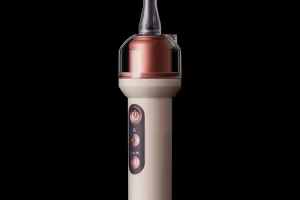
Paris – September 07, 2026 -- Dyson has unveiled the CameraJet, a toothbrush with a built-in camera designed to locate gaps between teeth and clean them with a targeted jet of mouthwash. The company says it is the first brush of its kind to combine camera-guided detection with precision fluid dynamics, and it goes on sale September 1, 2026, priced at 479 euros.

A tiny camera tracks gaps between teeth in real time

A 100,000-pixel macro lens camera scans the mouth during brushing, using a machine-learning system Dyson calls Gap Optical Targeting. The algorithm processes 28 live images per second to detect, track, and predict interdental gaps, then fires a cone-shaped mouthwash jet at the identified spot within 100 milliseconds. Dyson says the system runs on 16 million lines of code and was trained on 470,000 images of teeth.

Experts Say Basic Habits Beat Biohacks for Healthy Aging in 2026

WASHINGTON – September 04, 2026 -- A new survey from U.S. News & World Report finds that health experts overwhelmingly favor basic lifestyle habits over trendy biohacks, supplements or wearable tech when it comes to healthy aging.

Physical activity and diet top the list of proven longevity factors

The second annual 2026 U.S. News Healthy Aging Survey polled 63 health experts -- including longevity researchers, dietitians, doctors and pharmacists -- from July through August 2026. Physical activity and a nutrient-dense diet each earned support from 89% of respondents as critical factors for healthy aging, followed by restorative sleep at 30%.

Why Sleep Could Become the World Cup's Secret Competitive Edge

SHERIDAN, WYOMING – June 17, 2026 – As the 2026 FIFA World Cup kicks off across North America, attention naturally lands on tactics, fitness levels, and squad depth. But there's a quieter factor working its way into how top teams prepare: sleep. The tournament's format brings long travel distances between host cities, shifting time zones, varying climates, and tight turnaround windows between matches, all of which add extra strain on players' bodies. That pressure has pushed national teams and individual athletes to pay closer attention to recovery, and one sign of just how seriously the topic is now being taken comes from the sleepwear industry itself, where dozens of professional footballers have quietly built sleep into their performance routines.

Why Asking for Advice Is Actually a Gift to the Person You Ask

SHERIDAN, WYOMING -- June 2, 2025 -- There is a study making the rounds in organizational psychology circles right now, and it tackles something most career advice skips entirely: why people refuse to ask for help even when they badly need it. Anne Burmeister, a professor at the University of Cologne, led the research through the ECONtribute Excellence Cluster, and the findings landed in the Academy of Management Journal. The short version is this -- people hold back because they assume they are the only ones who benefit from asking. Once they learn that is not true, they reach out 40 percent more often. It is a small shift with a surprisingly large effect.